
How Much Deposit Do I Need To Buy A House Australia
Saving for a home deposit is one of the biggest financial challenges Australians face today. Whether you are a first home buyer or returning to the market after a break, knowing exactly how much you need upfront helps you plan with confidence and avoid costly surprises.
The short answer is this: most lenders want a 20% deposit, but you can buy a home with as little as 2% to 5% in 2026 — if you know which options to use.

The Standard Deposit: 20% Of The Property Price
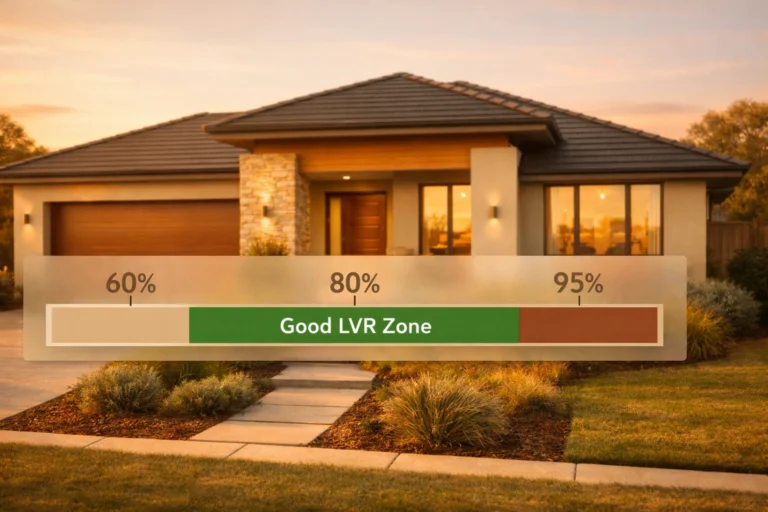
The industry standard in Australia is a 20% deposit. This gives you a Loan to Value Ratio (LVR) of 80%, which lenders consider low risk.
Here is what a 20% deposit looks like across different property prices:
- $500,000 home — $100,000 deposit
- $700,000 home — $140,000 deposit
- $1,000,000 home — $200,000 deposit
When you reach the 20% threshold, lenders usually offer you lower interest rates and you avoid paying Lenders Mortgage Insurance (LMI). That is a significant saving over the life of a loan.
However, saving 20% is genuinely difficult for most Australians, especially in cities like Sydney, Melbourne, and Brisbane where property prices remain high. The good news is that you do not always need the full 20%.
Can You Buy A House With Less Than 20%?

Yes, you can. Many lenders accept a deposit as low as 5% of the property value. Some specialist lenders and government schemes push that figure even lower.
Here is how a 5% deposit compares for a $600,000 home:
- 20% deposit — $120,000 (no LMI)
- 10% deposit — $60,000 (LMI applies)
- 5% deposit — $30,000 (LMI applies, or waived under certain schemes)
The trade-off with a smaller deposit is that you borrow more, pay more interest over time, and usually trigger Lenders Mortgage Insurance.
What Is Lenders Mortgage Insurance (LMI)?
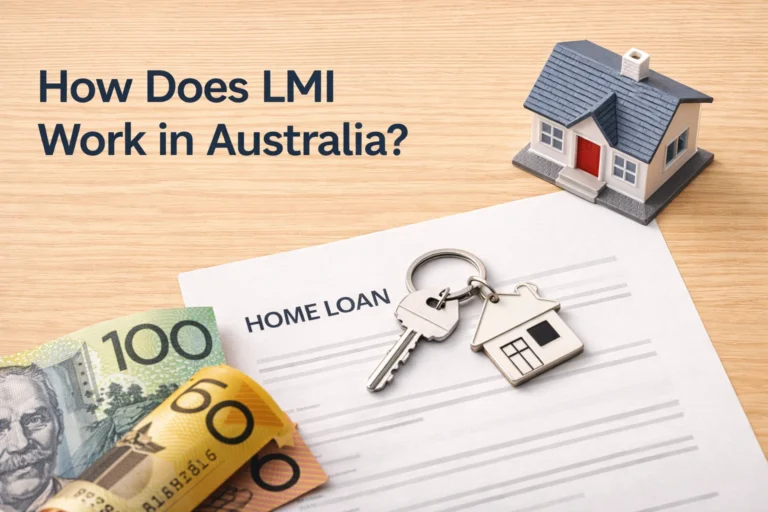
LMI is an insurance policy that protects the lender — not you — if you default on your loan. It applies when your deposit is below 20% of the property value.
LMI can add thousands of dollars to your costs. As a rough guide, for a $600,000 property:
- A 5% deposit ($30,000) attracts LMI of approximately $31,000
- A 10% deposit ($60,000) attracts lower LMI, but still a substantial sum
You can pay LMI as an upfront lump sum or add it to your loan balance, which means you pay interest on it over the full loan term. Either way, it is worth factoring into your budget early.
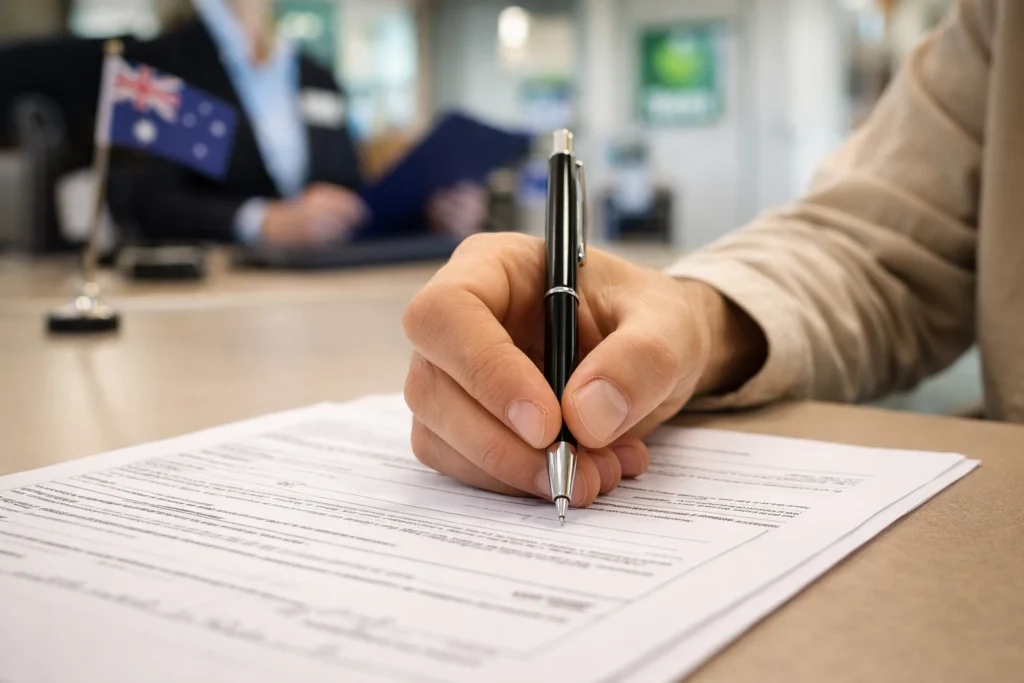
Government Schemes That Reduce Your Deposit Requirement
The Australian Government now offers powerful support that lets you buy a home with a much smaller deposit and no LMI.
First Home Guarantee (formerly the First Home Buyer Guarantee)
This scheme lets eligible first home buyers purchase a property with just a 5% deposit. The government guarantees the remaining 15%, so lenders treat your loan as if you had a full 20% deposit — meaning no LMI. From 1 October 2025, this scheme removed income caps and waitlists entirely, making it available to far more buyers across the country.
Family Home Guarantee
Single parents and single legal guardians can access this scheme with a deposit as low as 2%. The government guarantees up to 18% of the property value to eliminate LMI. There are 5,000 places available in the 2025–26 financial year.
First Home Super Saver Scheme (FHSS)
This scheme lets you save money for a deposit inside your superannuation fund, where it benefits from the lower tax rate applied to super contributions. You can withdraw those voluntary contributions later to use as part of your home deposit.
State-Based First Home Owner Grants (FHOG)
Most Australian states offer a one-off cash grant to eligible first home buyers, particularly for new builds. For example, Queensland currently offers $30,000 for new home builds. Always check your state government website for the latest figures and eligibility criteria.
What About A Guarantor Home Loan?
If you have a parent or close family member who owns a property, they may be able to act as a guarantor on your loan. A guarantor uses the equity in their own home as additional security for your loan. This can allow you to borrow with little to no cash deposit and avoid LMI entirely.
The guarantor does not hand over cash. They simply agree that their property backs your loan. If you meet your repayments, their property is never touched. However, if you default, the lender can pursue them — so it is a serious commitment for both parties.
Costs Beyond The Deposit: What Else Do You Need?
How much deposit you need to buy a house in Australia is only part of the picture. You also need to budget for upfront costs that are separate from the deposit itself:
- Stamp duty — a state government tax based on the property value. First home buyers may receive exemptions or concessions.
- Conveyancing and legal fees — typically $1,000 to $2,000 for a solicitor to handle the title transfer and paperwork.
- Building and pest inspections — generally $300 to $700 depending on the property.
- Loan application and settlement fees — varies by lender.
- Lenders Mortgage Insurance — if your deposit is under 20%.
- Moving costs — easy to forget, but they add up.
As a general rule, budget an additional 3% to 5% of the purchase price on top of your deposit to cover all upfront costs.
How Much Deposit Do You Actually Need In 2026?
Here is a simple summary to guide your planning:
- Minimum possible: 2% (Family Home Guarantee for single parents)
- Low deposit entry: 5% (First Home Guarantee or low-deposit loans with LMI)
- Standard with LMI: 10% to 19%
- Ideal to avoid LMI: 20% or more
The right amount depends on your income, savings, eligibility for government schemes, and whether you have access to a guarantor.
Tips To Save Your Deposit Faster
- Open a dedicated high-interest savings account for your deposit fund
- Use the First Home Super Saver Scheme to save inside super and reduce tax
- Cut discretionary spending and automate a weekly savings transfer
- Check your eligibility for state and federal grants early in the process
- Speak to a mortgage broker who can assess your full situation at no cost
The property market moves quickly. The sooner you understand how much deposit you need to buy a house in Australia, the sooner you can take action.
FREQUENTLY ASKED QUESTIONS
What is the minimum deposit to buy a house in Australia in 2026?
The minimum deposit is 2% for eligible single parents through the Family Home Guarantee. First home buyers can access the market with 5% through the First Home Guarantee scheme, with no LMI payable. Without a government scheme, most lenders require at least 5% to 10%, and LMI will apply below 20%.
Do I have to pay LMI if I have a 10% deposit?
Yes, in most cases LMI applies when your deposit is below 20%. However, if you qualify for the First Home Guarantee, the government covers the gap and you pay no LMI even with a 5% deposit.
Can I use the First Home Super Saver Scheme as part of my deposit?
Yes. You can make voluntary contributions into your super fund and later withdraw them to put towards your home deposit. The scheme lets you benefit from the lower tax rate inside super while building your
Can a family member help me buy a house with a smaller deposit?
Yes. A parent or close family member can act as a guarantor and use the equity in their own property to secure your loan. This can help you buy with little to no cash deposit and avoid LMI.
Are there extra costs on top of the deposit I need to budget for?
Absolutely. On top of your deposit, you need to budget for stamp duty, conveyancing fees, building and pest inspections, loan application fees, and moving costs. These can add 3% to 5% of the purchase price on top of your deposit amount.

Hi, I’m Rocky — a finance enthusiast and tech-minded writer at FinanceToolfy.com, where I help readers navigate the ever-evolving intersection of money and technology.
With a graduate-level education under my belt, I bring an analytical and research-driven perspective to everything I write. Whether I’m breaking down complex financial concepts, reviewing the latest fintech tools, or sharing practical money strategies, my goal is always the same — to make finance accessible, actionable, and genuinely useful for everyday people. Read More



2 Comments